

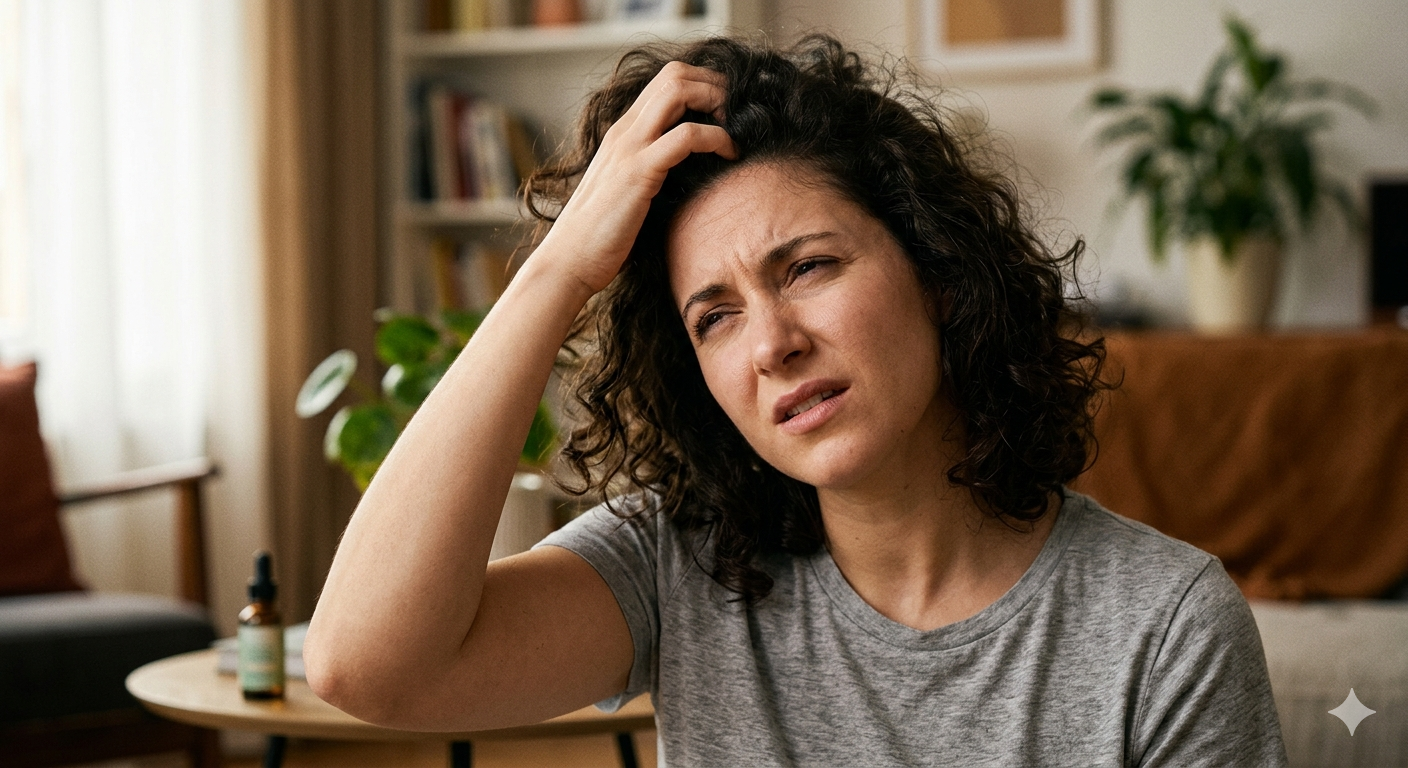
An itchy scalp can be frustrating, distracting, and sometimes embarrassing. While occasional itching is common, persistent scalp irritation may signal an underlying issue such as dandruff, product sensitivity, dry skin, or a scalp condition.
The good news is that most cases of an itchy scalp can be managed with proper scalp care and simple home remedies. Here’s everything you need to know about the causes, prevention, and treatment of an itchy scalp.
What Causes an Itchy Scalp?
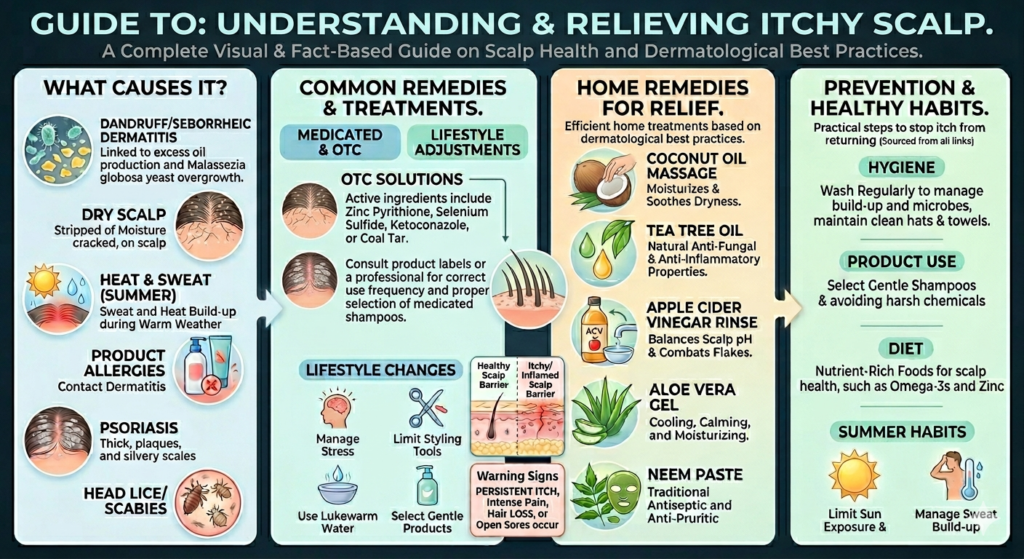
An itchy scalp can develop for several reasons, ranging from mild irritation to underlying skin conditions.
1. Dandruff (Most Common Cause)
Dandruff is one of the leading causes of scalp itchiness. It occurs when the scalp sheds skin cells more rapidly than normal, leading to visible white flakes and irritation. In many cases, dandruff is linked to seborrheic dermatitis, a condition associated with excess oil production and the overgrowth of a naturally occurring yeast called Malassezia.
2. Dry Scalp
Cold weather, excessive shampooing, hot water, and dehydration can strip moisture from the scalp, causing dryness, flaking, and itching.
3. Reaction to Hair Products
Shampoos, hair dyes, styling products, and conditioners may contain ingredients that irritate sensitive skin. This can result in itching, redness, and scalp inflammation.
4. Product Build-Up
Using multiple hair products without properly cleansing the scalp can lead to the accumulation of oils, dirt, and residue, triggering irritation and itching.
5. Skin Conditions
Conditions such as eczema, psoriasis, and seborrheic dermatitis can affect the scalp and cause persistent itching, redness, and scaling.
6. Stress and Environmental Factors
Stress can worsen dandruff and other scalp conditions. Hot, humid weather and excessive sweating may also irritate the scalp and increase itchiness.
Common Symptoms of an Itchy Scalp
Depending on the cause, symptoms may include:
- Persistent itching
- White or yellow flakes
- Dry, tight scalp
- Redness or irritation
- Oily patches on the scalp
- Scaly skin
- Burning or tingling sensations
If symptoms are severe or persistent, a medical evaluation may be necessary.
How to Prevent an Itchy Scalp
Prevention is often easier than treatment. These simple habits can help keep your scalp healthy:
Wash Your Hair Regularly
Regular shampooing helps remove excess oil, sweat, and product build-up that can contribute to itching and dandruff.
Use Gentle Hair Products
Choose shampoos and conditioners designed for sensitive scalps. Avoid products containing harsh fragrances or irritating chemicals if you notice they trigger itching.
Rinse Thoroughly
Leaving shampoo or conditioner residue on the scalp can cause irritation. Make sure to rinse hair completely after washing.
Avoid Excessive Heat
Very hot water and frequent heat styling can dry out the scalp and worsen itching. Use lukewarm water whenever possible.
Manage Stress
Stress can aggravate dandruff and other inflammatory scalp conditions. Regular exercise, sleep, and relaxation techniques may help.
Home Remedies for Itchy Scalp Relief
While severe scalp conditions may require medical treatment, several home remedies can provide relief from mild itching and dandruff.
1. Coconut Oil
Coconut oil helps moisturize the scalp and may improve the scalp’s protective barrier. Some studies suggest it can also help support a healthier scalp microbiome.
How to use:
- Warm a small amount of coconut oil.
- Massage gently into the scalp.
- Leave for 30 minutes to overnight.
- Wash with a mild shampoo.
2. Aloe Vera
Aloe vera has soothing, anti-inflammatory, and moisturizing properties that may help calm scalp irritation and itching.
How to use:
- Apply fresh aloe vera gel directly to the scalp.
- Leave for 15–20 minutes.
- Rinse thoroughly.
3. Tea Tree Oil
Tea tree oil has antifungal and antimicrobial properties that may help reduce dandruff-related itching. Because it can irritate sensitive skin, always dilute it before use.
How to use:
- Add a few drops to your regular shampoo.
- Use 2–3 times per week.
4. Keep the Scalp Clean
A clean scalp reduces the accumulation of oil, dead skin cells, and product residue that can contribute to itching and dandruff.
5. Maintain a Healthy Diet
A balanced diet rich in omega-3 fatty acids, zinc, vitamins, and adequate hydration supports overall skin and scalp health.
When Should You See a Doctor?
Consult a dermatologist if:
- The itching lasts for several weeks.
- Home remedies do not help.
- You experience severe redness, swelling, or pain.
- You notice hair loss.
- There are open sores, bleeding, or signs of infection.
Persistent scalp itching may indicate a condition that requires prescription treatment.
Final Thoughts
An itchy scalp is often caused by dandruff, dry skin, product sensitivity, or scalp conditions such as seborrheic dermatitis. Fortunately, proper scalp hygiene, gentle hair care products, and simple home remedies like coconut oil, aloe vera, and tea tree oil can provide relief for many people.
If symptoms persist despite good scalp care, don’t ignore them. A dermatologist can help identify the underlying cause and recommend the most effective treatment.
Frequently Asked Questions (FAQ)
Can dandruff cause an itchy scalp?
Yes. Dandruff is one of the most common causes of scalp itching and flaking. (American Academy of Dermatology)
Is coconut oil good for an itchy scalp?
Coconut oil may help moisturize the scalp and reduce dryness-related itching. (Healthline)
Can stress make scalp itching worse?
Yes. Stress can trigger or worsen dandruff and other scalp conditions. (Mayo Clinic)
When should I worry about an itchy scalp?
Seek medical advice if the itching is severe, persistent, or accompanied by hair loss, sores, or signs of infection. (Mayo Clinic)
Leave a Reply